
Vieraskynä: Khaya Ronkainen – The underserved and silent minority: Who is Finnish literature forgetting?
Updated: Mar 11

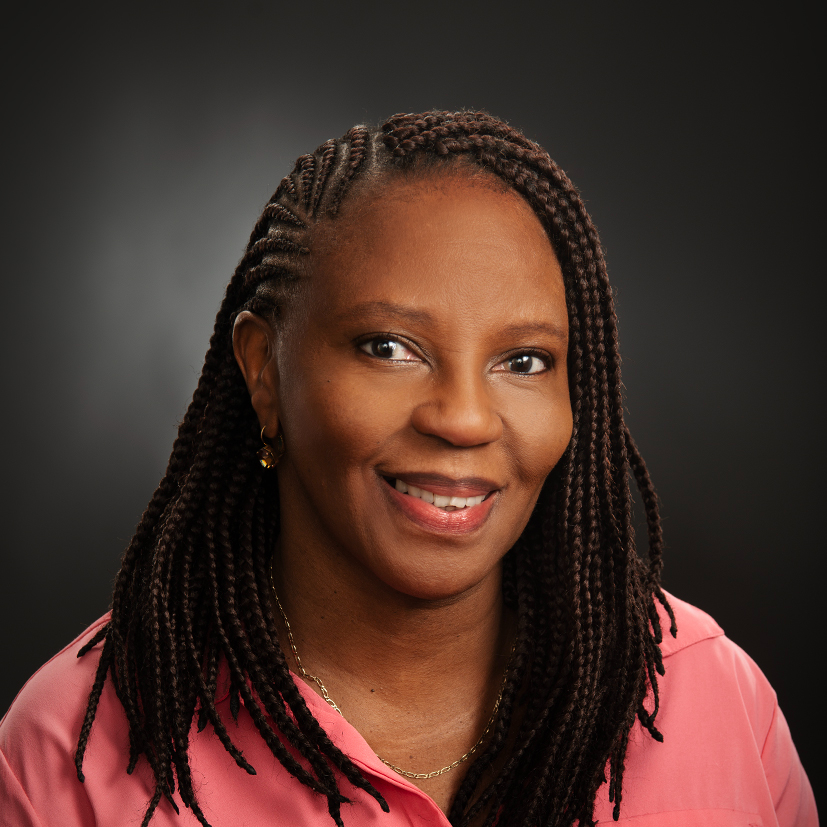
Khaya Ronkainen is a South African poet, writer, and creative professional based in Finland. Drawing inspiration from cross-cultural experiences, among others, her writing often examines hybrid identity, home, and belonging. Her first novel, “Distorted Is The View”, will be published in 2026. Learn more about her writing at https://www.khayaronkainen.fi.
During my short stint working in Finnish schools many years ago, I was struck by an absence of book offerings that catered to pupils of immigrant backgrounds. In some schools, the library was tucked in a corner where few visited. No librarian. No inviting space. Just a locked door and dusty shelves. That image stayed with me.
Since then, I’ve been asking the same question to everyone who works with young learners: Who does your school library actually serve? Because if the simple act of borrowing a book requires finding a teacher to unlock a door, something is already broken. And if shelves don’t carry books that reflect diverse childhood experiences, how can children develop a love for reading?
Finland’s education system is celebrated worldwide. Finland also boasts a vibrant literary culture. Libraries are everywhere, like points of light across the landscape. They’re symbols of democratic access to knowledge. And yet, amidst all the celebration, there’s an underserved and silent minority. Readers and writers whose stories don’t make it onto those curated shelves.
Some organizations have recognized this gap and are trying to bridge it. The Finnish-African Society runs a project called FALA—the Finnish-African Literature Art Project. FALA works to bring African literary works to Finnish audiences. Books from the continent. Books from the diaspora. Stories that otherwise wouldn’t make it here.
Whose Stories Are Missing?
I’ve seen the joy on readers’ faces—young and old—when they find books with characters that look like them or reflect their lived experiences. But this isn’t only about readers who see themselves in these stories. It’s for people across all generations and backgrounds who want to diversify their bookshelves, learn, and expand their worldview.
The Helsinki Book Fair’s 2025 theme was Learning and Joy. Literature sat at the centre of it all—culture, education, joy intertwined. But here’s the uncomfortable question: whose joy are we talking about?
For us—BIPOC and Afro-Nordic writers in Finland—the answer is painfully clear. The non-existent statistical data tells us we don’t exist. We’re like unicorns, invisible and mythical, yet we live and write here. That invisibility keeps us firmly in the margins.
And it’s not just about invisibility. It’s about what gets pushed as “diverse literature.” When refugee and migration narratives centered on trauma become the default, we fall short of representing the full range of immigrant lives in Finland. Diversity isn’t a single story. It never was.
The Real Cost
This is an issue of access. Physical space that welcomes you in. Books that reflect a wide range of experiences. Reading material that supports learners in the classroom and beyond it. I think about my own childhood. Books transported me to places I’d never visit. Stories sparked curiosity and fed my imagination. That’s the power of reading. Every child deserves it, regardless of background.
Yes, children’s and young adult literature is becoming more diverse. But the representation is still limited and inconsistent. And it relies on local efforts rather than being built into the system itself.
Yet by teaching diverse works, educators can create awareness, appreciation, and ultimately demand that publishers will have to meet. But where do educators get these books to begin with? It’s the classic chicken and egg problem.
Libraries can be a source of joy for anyone, without having to shell out money on expensive books every time. That’s what makes this topic so close to my heart. Not only because I’m a writer, but because I know what’s at stake when that door stays locked.
As writers, it’s not enough to merely expose the absence of our voices. We also need to find ways to connect with readers who seek representation in literature.
What Now?
So here’s the question for everyone involved in creating books: Have you checked your blind spot? Who are you missing? Have you asked them what stories they want to read but cannot find? If not, there’s your blue ocean—less competition, and readers already craving what you could offer.
And for everyone who cares about literature: What can you do, even in a small way, to help young readers of all backgrounds experience the joy of reading and feel part of the whole?
In the end, the question isn’t whether Finland can afford to include more voices. It’s whether it can afford not to.
KHAYA RONKAISEN LUKUVINKIT
Weeping Becomes a River – Siphokazi Jonas
Poetry Collection incl. storytelling
Who's Loving You: Love Stories by Women of Colour – Sareeta Domingo
Anthology
Somewhere Soft to Land – kai alonté
Novel, coming out end of April


