
Vieraskynä: Faith Mkwesha – Reading literature in the age of polycrisis: a post-colonial approach
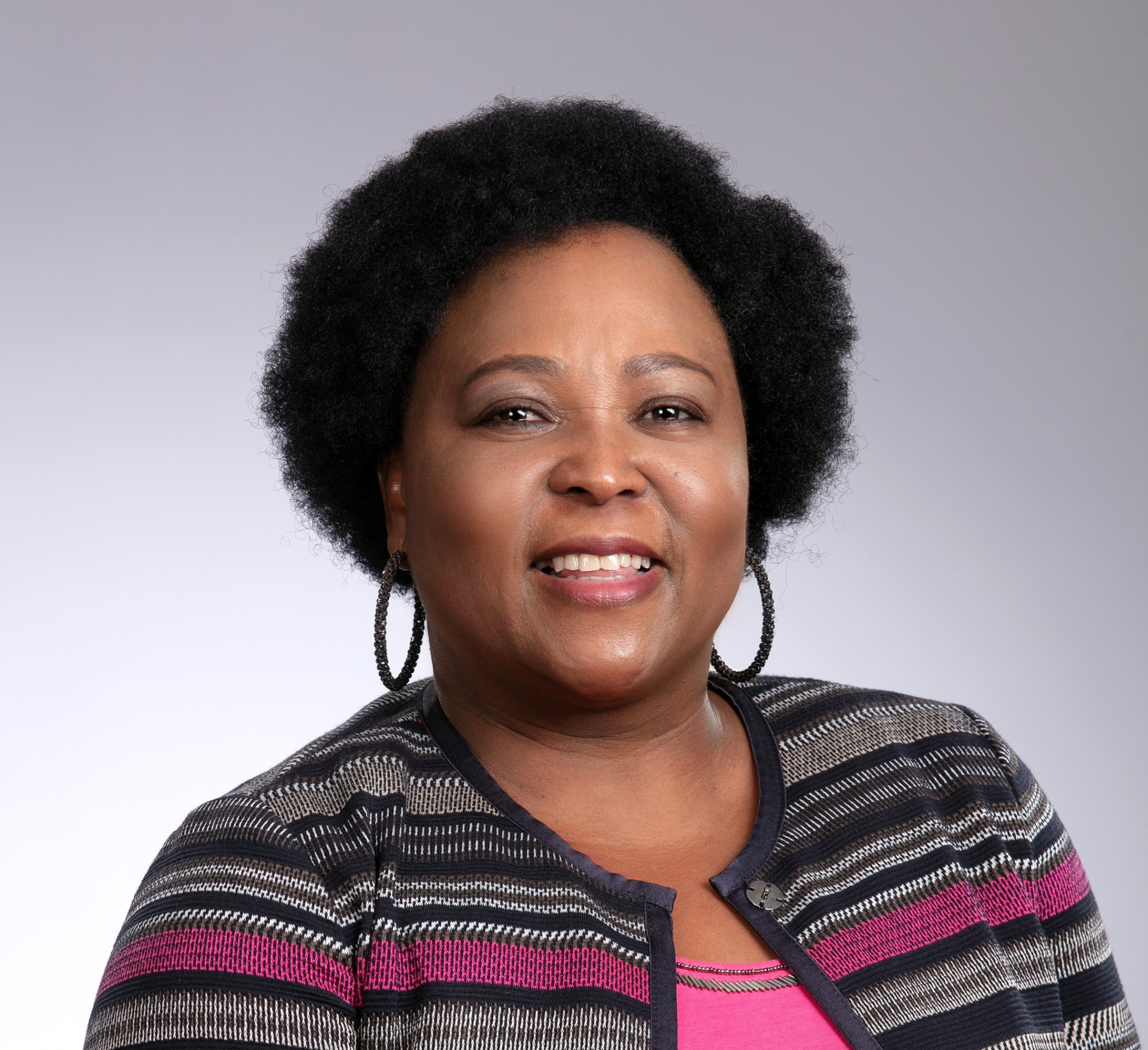

Dr. Faith Mkwesha (PhD) is a researcher at Turku University, Sociology Unit; A Gender and Inclusion in Education Expert for EU and Africa Project PEERS; and Director of SahWira Africa International NGO. She is also a Lecturer and Activist Scholar who teaches different Courses on Gender and Inclusion, Intersectionality, Postcolonial African Literature, Decolonising Knowledge, Ethnic and Racial Relations, Cultural and Racial Sensitivity. Above all, she is a mother and grandmother.
These days the term “polycrisis” appears with increasing frequency as world leaders, policy makers, researchers, educators and tech industry seek to frame the current moment we’re in, with wars and geopolitical conflicts, migration, rising cost of living and economic instability, global pandemics, displacement and migration, environmental destruction, income inequality, global warming and climate change. Historian Adam Tooze, who helped popularize the term says, “At times, one feels as if one is losing one’s sense of reality.” According to Tooze, the polycrisis is a social issue, and so solutions must not ignore systemic social oppressions like race, racism, gender and class – issues at the heart of polycrisis literature from a postcolonial perspective.
There is a growing sense of uncertainty of hope as the future becomes unpredictable to imagine, and many crises are happening at the same time disrupting social life and institutions. However, literature helps to re-envision the future during a polycrisis by acting as a "cultural imaginary" that navigates complexity, fosters empathy, and provides "stress inoculation" against future polycrisis shocks. It allows readers to process the emotional toll of constant uncertainty and to imagine alternative futures or solutions that are not immediately obvious from reports or news.
Our research is framed with the concept of ‘polycrisis’ titled in short “Youth in Polycrisis,” to explain Polycrisis Reading from a postcolonial perspective for BIPOC- Black, Indigenous and People of Color. In this project, we aim to understand how young people aged 16 to 19 in Finland and Morocco experience social crises and how they talk about them in their daily lives using reading and discussing literature texts. We are particularly interested in crises related to security (wars, violence, extremism) and belonging (racism, hate speech, polarization). It is a multidisciplinary (sociology and literary studies) research project with four researchers from diverse backgrounds.
We use Group Reading and writing, and interviews as data collection methods. We approach the texts from a postcolonial/decolonial perspective, recognizing that polycrisis is socially produced, constructed and dismantled through discourse in texts. The young readers look at discursive manifestations of polycrisis from a postcolonial perspective in the texts: “You Don’t Know What War Is: The diary of a young girl from Ukraine" by Yeva Skalietska, and graphic novel “Power Born of Dreams: My story is Palestine” by Mohammad Sabaaneh. They also contemplate on their own understanding and responses to the polycrisis in short poems and free style writing.
In terms of positionality and transparency, I am a black African woman of immigrant background interested in the sociology of literature through a postcolonial and decolonial lens. Approaching Sociology of literature from a postcolonial and decolonial approach enables the reader to treat literature not merely as a reflection of society, but as a fractured mirror that exposes the lasting impact of colonial history, cultural epistemicide, identity alienation, and the dismantling of traditional power structures. This enables reading and analyzing "Polycrisis literature" from a Southern perspective focusing on how ecological, geopolitical, inequality and economic crises are interlocked and long-term realities for the Global South, rather than Eurocentric Global North articulation of seeing them as new and distinct emergencies emerging. Global South demands a decolonial approach to reading and analysing the texts and understanding that emphasizes making sense of the polycisis, resisting, and responding to the polycrisis. Thus, reading builds resilience, enables resistance, and provides radical hope in the midst of the polycrisis, and the rejection of the hopelessness of Eurocentric narratives.
Sociology of Literature and the "Mirror Image" from a Postcolonial Perspective
In the sociology of literature, the "mirror" motif suggests that literature represents social life, but a postcolonial perspective argues that this mirror is broken or distorted in post-colonial contexts.
Colonization disrupts native culture, resulting in a "broken mirror" that creates alienation and damages the moral being of colonized peoples. This fractured image reveals the dissonance between pre-colonial identity and modern existence, disconnecting myths of origin and cultural icons.
Postcolonial literature functions as a tool for reclaiming self-worth and redefining identity by analyzing the social and psychological effects of the colonial aftermath. It challenges stereotypes and dominant Eurocentric narratives by offering critical examinations of race, class, and gender.
Literature behaves both as a mirror (reflecting existing socio-economic conditions of postcolonial Africa, India, Palestine, etc.) and as a lamp (illuminating new paths for resistance and social reform).
Conclusion
Young people are experiencing the polycrisis in different ways and they have different emotions and fears and uncertainty of hope about their futures. However, Posycrisis Reading Groups can be a safe space to build community to develop better understanding of the polycrisis. I have observed that the students who participated in the Polycrisis Reading Literature Groups were excited and curious to read the texts. They were motivated and actively engaged with the texts during the discussions, because reading from a postcolonial approach made them see the historical, economic, social and political connections of the crisis. The students were also able to write creative poems and free writing texts that helped them to process what they had read and their own lived experiences of the polycrisis. Thus, Polycrisis Reading Groups can be very supportive to young people and empower them with knowledge of the different crises, resistance and survival tools they learn from the texts and from each other. Writing and reading their texts to each other is a good way to express themselves, reclaim their voices and make sense of their emotions and feelings, thus building resilience and developing radical hope.


